


Trading Strategies Guides
Build your forex knowledge with clear, practical guides covering market basics, trading strategies, technical analysis, risk management, and more. Whether you are a beginner or an experienced trader, TopFxBrokers helps you understand the market and make more informed trading decisions.

Arbitrage Trading in Forex: How It Works, Types, Examples and Risks
Posted on 7 Nov 2024
Forex arbitrage is a trading approach that seeks to profit from temporary pricing differences between identical or closely related currency exposures. Instead of predicting whether a currency will rise or fall, a trader attempts to buy at the lower available price and sell at the higher one. These discrepancies can occur because the forex market operates across multiple banks, brokers, liquidity providers and electronic venues rather than through a single centralized exchange. Common methods include cross-broker arbitrage, triangular arbitrage, covered interest arbitrage and spot-futures arbitrage. However, a visible price difference is not automatically profitable. Traders must use synchronized, executable bid and ask prices and account for spreads, commissions, slippage, liquidity and execution delays before determining whether a genuine opportunity exists.

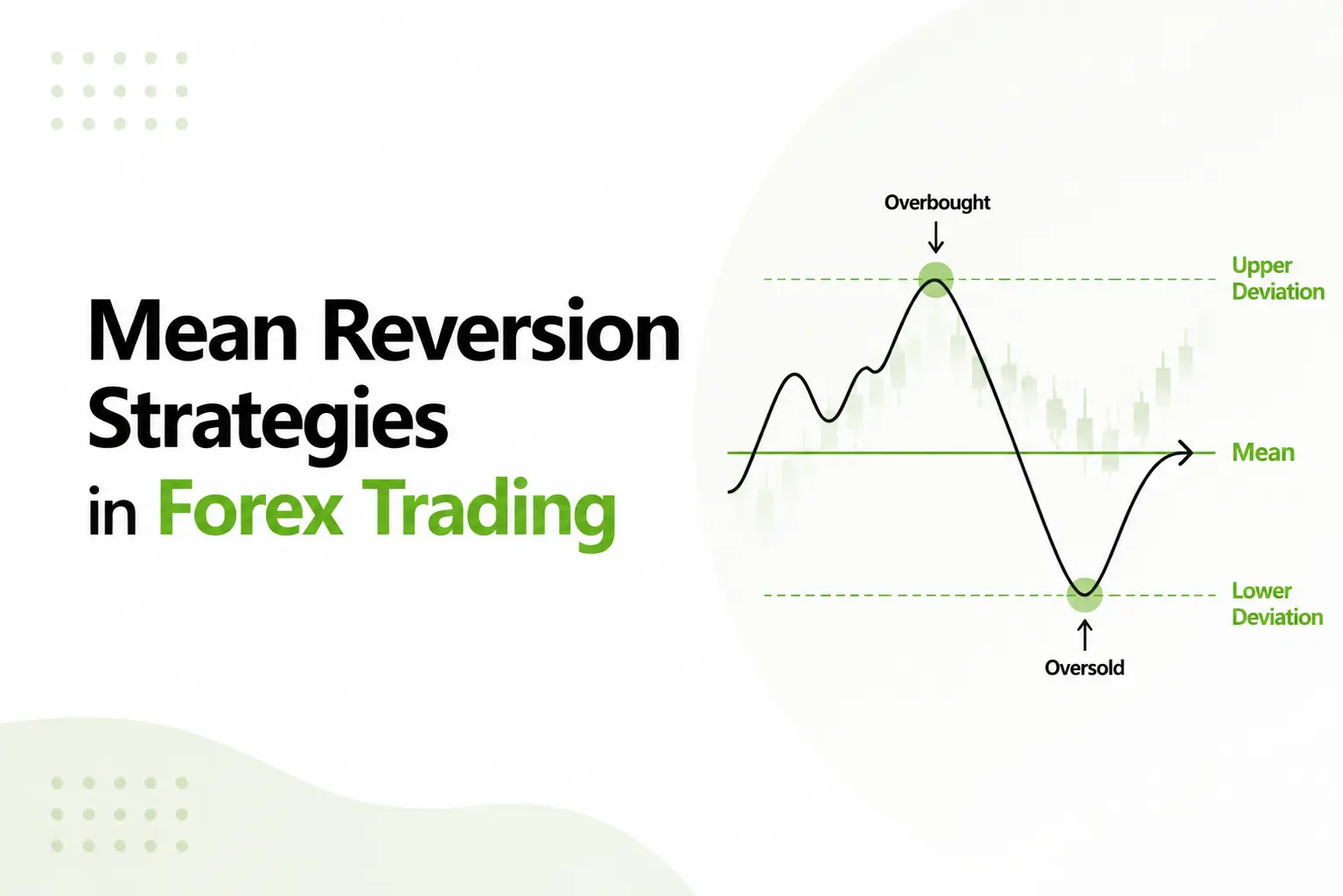
Mean Reversion Strategies in Forex Trading: Rules, Examples and Risk
Posted on 7 Nov 2024
Explore how mean reversion strategies work in forex trading, from choosing a reliable reference mean and identifying stretched price conditions to confirming entries, setting stops, managing risk, and testing performance. The guide covers moving averages, Bollinger Bands, RSI, range reversals, intraday setups, execution costs, failure conditions, and a practical EUR/USD trade example.
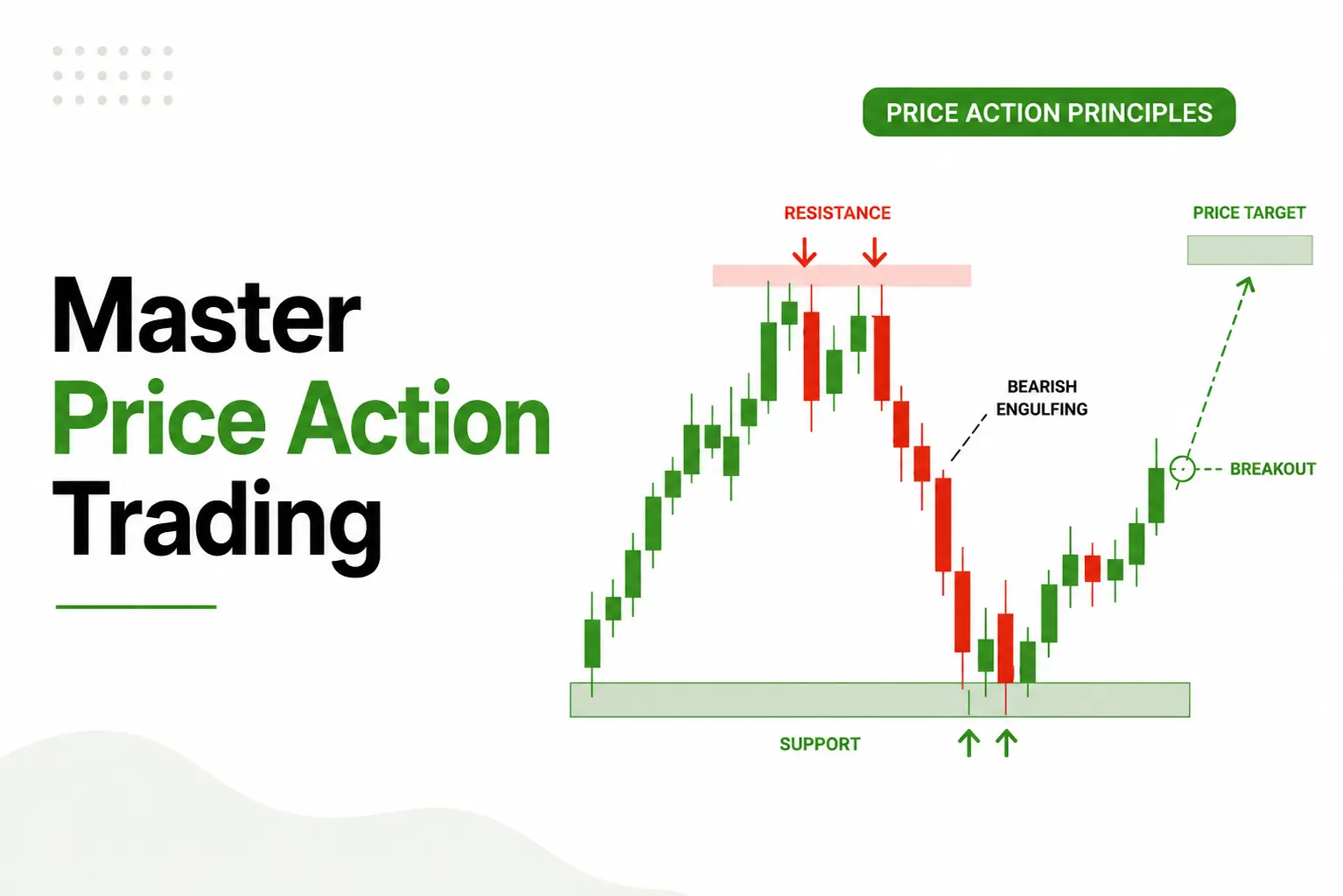
Price Action Trading: A Practical Guide to Patterns, Strategies and Risk
Posted on 7 Nov 2024
Price action trading is a technical analysis method that uses raw price movement, market structure, support and resistance, candlestick behavior, breakouts and pullbacks to build trade ideas without relying heavily on indicators. In this guide, you’ll learn how to read price action, identify higher-quality setups, avoid weak signals, place stops, set targets and test a repeatable trading plan.